Elon Musk’s neurotechnology venture, Neuralink, has taken a monumental step forward with the release of its second-generation brain-computer interface (BCI) device. This new iteration promises not just one-way communication from brain to machine but a true bidirectional exchange—a breakthrough that could redefine how humans interact with technology, treat neurological disorders, and even augment cognitive abilities. The implications are as vast as they are revolutionary.
The first-generation Neuralink device, which garnered both excitement and skepticism, demonstrated the ability to read neural signals with remarkable precision. It allowed paralyzed individuals to control digital interfaces using their thoughts alone. However, the second-generation system goes beyond mere output—it introduces the capacity for input, enabling the brain to receive signals from external devices. This two-way street of information flow opens doors to applications previously confined to the realm of science fiction.
How It Works: The Science Behind Bidirectional BCI
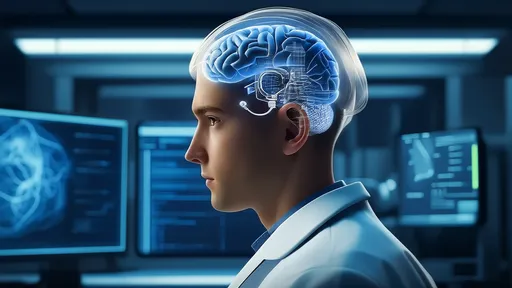
At the core of Neuralink’s new device is an array of ultra-thin, flexible electrodes implanted into the brain’s cortical tissue. These electrodes are designed to detect electrical activity from neurons with unprecedented resolution. But the real innovation lies in their ability to also deliver precise electrical stimuli back to the brain. This feedback loop mimics natural neural processes, allowing for a more integrated interaction between biological and artificial systems.
The system leverages advanced machine learning algorithms to decode neural patterns in real time. When a user thinks about moving a cursor on a screen, for instance, the implant translates that intention into action. Conversely, when the device sends sensory feedback—say, simulating the feeling of a virtual button press—the brain interprets it as if it were a genuine tactile sensation. This seamless integration is what sets the second-generation Neuralink apart from its predecessors.
Medical Breakthroughs on the Horizon
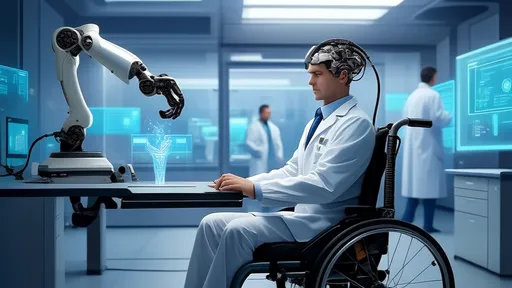
One of the most immediate and impactful applications of this technology is in the medical field. For patients with spinal cord injuries or neurodegenerative diseases like ALS, bidirectional BCI could restore not just motor function but also sensory feedback. Imagine a paralyzed individual not only controlling a robotic arm but also feeling the texture of an object it touches. This level of immersion could dramatically improve quality of life and rehabilitation outcomes.
Beyond physical disabilities, the device holds promise for treating mental health conditions. By monitoring and modulating neural activity, it could offer new avenues for addressing depression, anxiety, and PTSD. Early experiments suggest that targeted stimulation of specific brain regions can alleviate symptoms in ways traditional therapies cannot. While these applications are still in experimental stages, the potential is undeniable.
Beyond Medicine: The Future of Human-Machine Symbiosis
Neuralink’s ambitions extend far beyond healthcare. The company envisions a future where BCIs are as commonplace as smartphones, enabling direct brain-to-brain communication, instant access to information, and enhanced cognitive abilities. With bidirectional capability, users might one day "download" skills or knowledge, or even share thoughts without speaking. While this raises ethical and privacy concerns, it also presents opportunities for unprecedented human collaboration.
In the workplace, such technology could revolutionize industries by allowing workers to control machinery with their minds or receive real-time data feeds directly into their perception. Gamers could experience fully immersive virtual worlds with all five senses engaged. The line between human and machine would blur, creating what Musk describes as "a symbiosis with artificial intelligence."
Challenges and Ethical Considerations
Despite its promise, Neuralink’s second-generation implant is not without hurdles. The surgical procedure required for implantation is invasive, raising questions about safety and accessibility. Long-term effects of having foreign electrodes in the brain are still unknown, and the risk of cyberattacks targeting neural data is a growing concern. Ethicists warn of potential misuse, from unauthorized surveillance to cognitive manipulation.
Regulatory bodies are scrambling to keep pace with these advancements. Ensuring that the technology is developed and deployed responsibly will be critical. Neuralink has emphasized its commitment to working with medical and ethical experts, but as with any disruptive innovation, the path forward will require careful navigation.
The Road Ahead
Neuralink’s second-generation BCI represents a paradigm shift in how we think about the relationship between mind and machine. While widespread adoption may still be years away, the progress made so far is undeniably groundbreaking. As trials expand and technology matures, the world will be watching closely to see how this bold vision unfolds—and what it means for the future of humanity.
For now, one thing is certain: the age of bidirectional brain-computer interaction has arrived, and its impact will be felt across every facet of society. Whether it’s curing diseases, enhancing abilities, or redefining communication, Neuralink’s latest innovation is poised to change the world in ways we are only beginning to imagine.

By /Jun 20, 2025

By /Jun 20, 2025

By /Jun 20, 2025

By /Jun 20, 2025
By /Jun 20, 2025

By /Jun 20, 2025

By /Jun 20, 2025

By /Jun 20, 2025

By /Jun 20, 2025
By /Jun 20, 2025
By /Jun 20, 2025

By /Jun 20, 2025

By /Jun 20, 2025

By /Jun 20, 2025

By /Jun 20, 2025
By /Jun 20, 2025

By /Jun 20, 2025
